
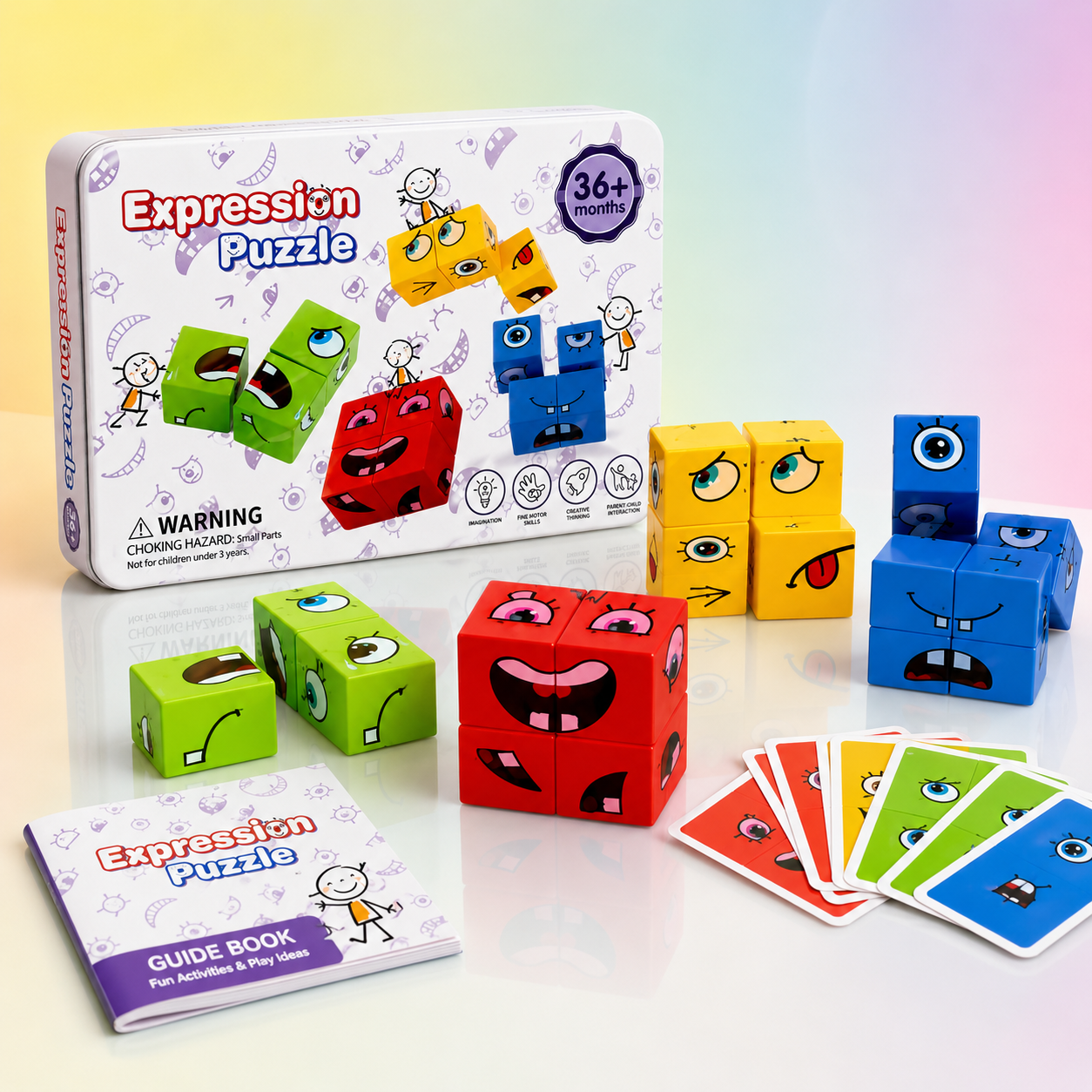
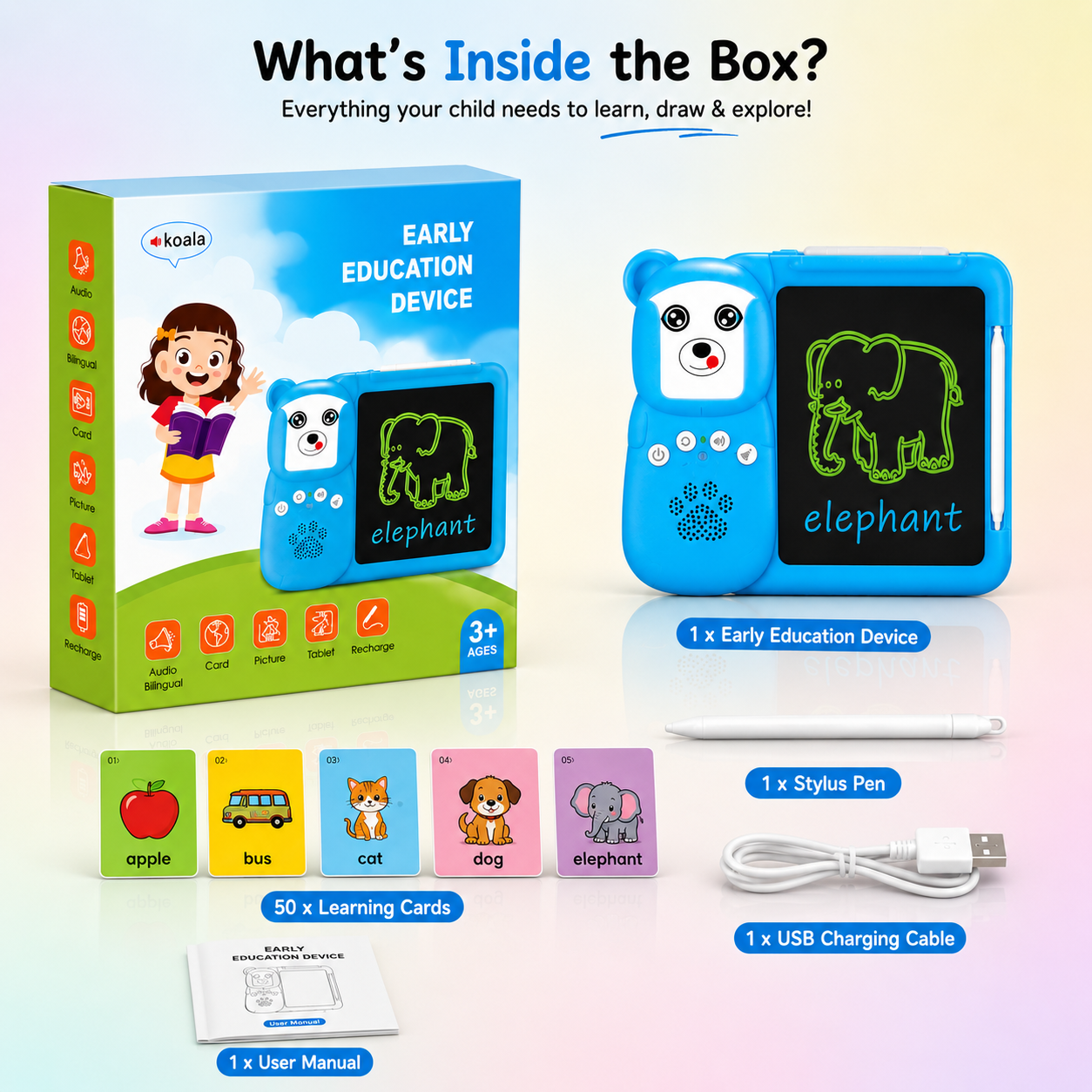
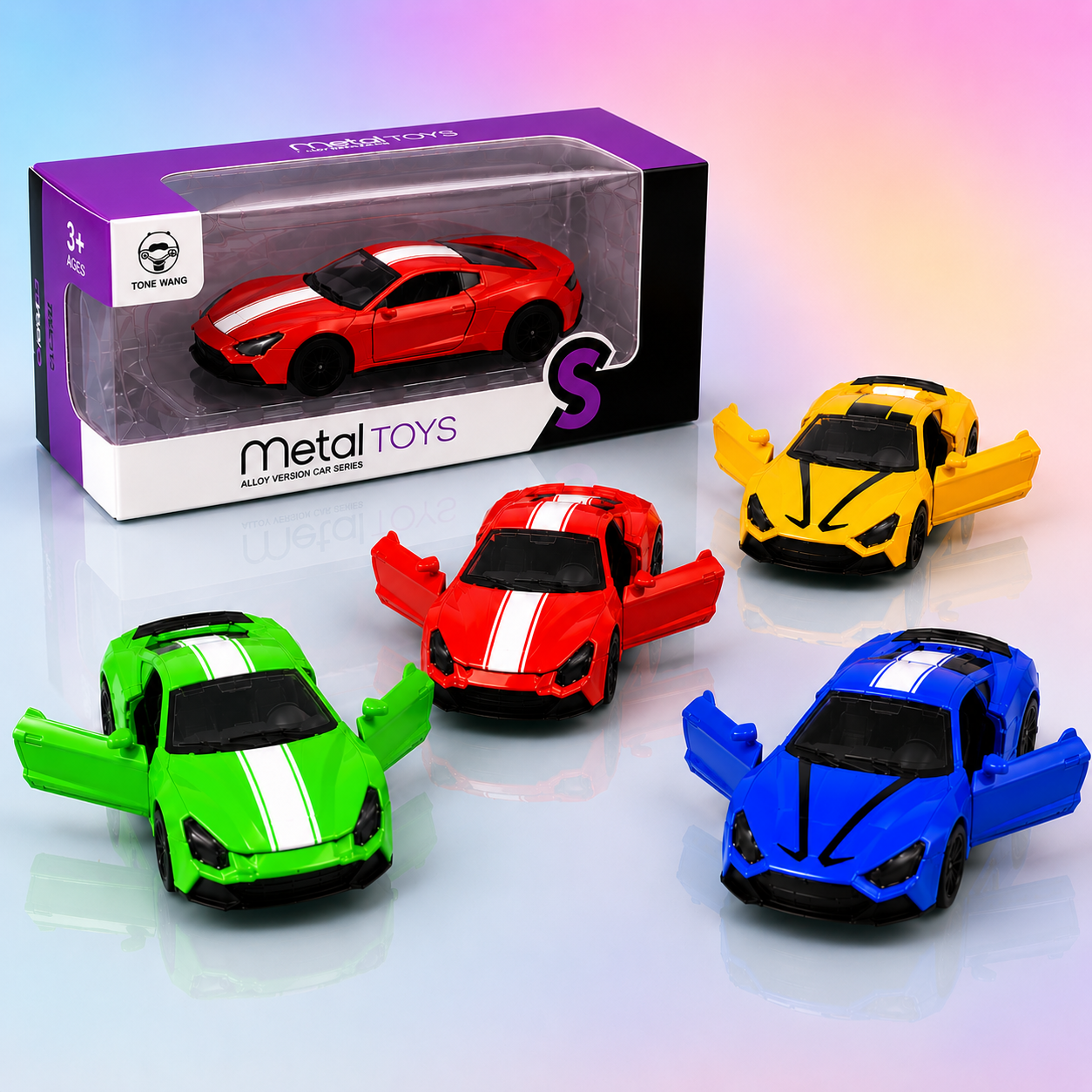
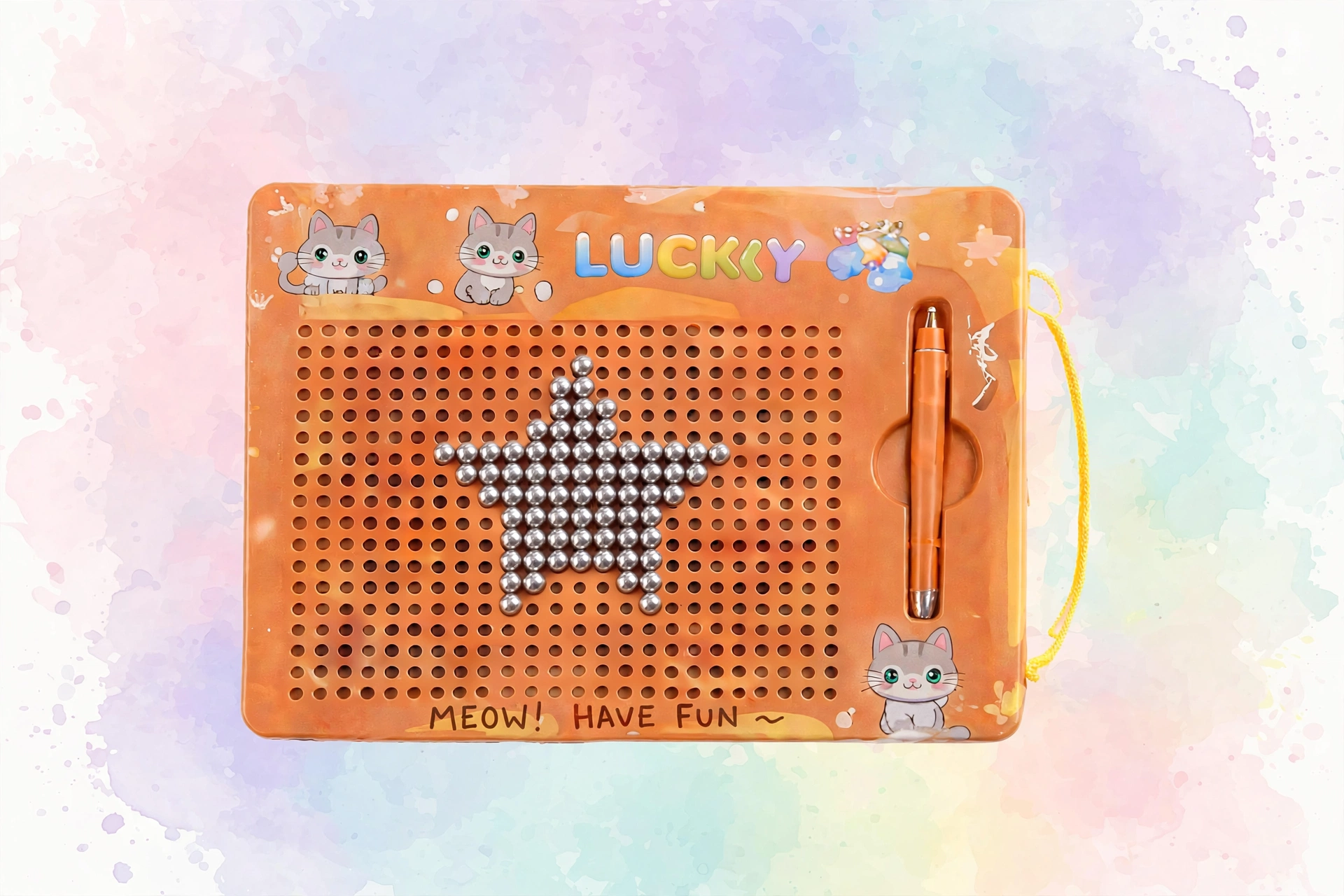


Confused between educational and fun toys? This guide explains what to look for, what to avoid, and how to choose toys that truly support child development.
How to Choose Educational & Developmental Toys vs “Just Fun” Toys
As parents, we all want to give our children toys that make them happy. But what if those toys could do more than entertain? What if they could help your child think, explore, imagine, problem-solve, and grow?
In today’s market, shelves are overflowing with bright, noisy, flashing toys that promise instant excitement—but not necessarily long-term value. On the other hand, educational or developmental toys are intentionally designed to support skills that matter in early childhood. Knowing the difference can help parents build a toy collection that truly benefits their child’s growth.
Here’s a simple guide on how to distinguish between educational/developmental toys and just-for-fun toys, and what to look for when choosing the right ones
What Makes a Toy “Educational”?
Educational or developmental toys are created with a clear purpose: to support learning through play. These toys promote important early-year skills such as:
- Fine motor skills – grasping, stacking, threading
- Cognitive development – problem-solving, logical thinking, sequencing
- Language skills – naming, storytelling, pretend play
- Sensory development – textures, sounds, weights, colours
- Social-emotional growth – turn-taking, sharing, empathy
- STEM concepts – shapes, patterns, counting, cause-and-effect
What sets them apart is that the child leads the play, not the toy. Educational toys are usually open-ended, meaning a child can use them in many different ways, encouraging creativity and exploration.

What Makes a Toy “Just for Fun”?
“Just fun” toys are designed primarily for entertainment. They often include features such as:
- Bright lights and loud sound effects
- Buttons with automated responses
- Character-themed designs from shows or trends
- One-way play patterns—press the button, get the result
These toys aren’t harmful—they can be exciting and engaging in short bursts. However, they tend to offer limited learning, less imaginative exploration, and shorter attention spans. Once the novelty wears off, the toy is often forgotten.
Key Differences at a Glance
Educational / Developmental Toys
- Encourage active, hands-on engagement
- Open-ended play with many possibilities
- Grow with your child over time
- Made from durable, safe materials
- Support specific developmental milestones
Just-for-Fun Toys
- Exciting at first, but often short-lived
- Passive play—most of the action is built into the toy
- Typically plastic, battery-operated, animated
- Limited skill-building value
The goal isn’t to eliminate fun toys—it’s about understanding the distinction and choosing the right balance.
What to Look For in Educational / Developmental Toys
When selecting toys that support learning and development, consider the following features:
1. Open-Ended Play
Choose toys that can be used in multiple ways—blocks, magnetic tiles, stacking toys, loose parts, puzzles, pretend-play sets. These nurture creativity, imagination, and problem-solving.
2. Age-Appropriate Challenge
A toy should not be too easy or too difficult. The right level of challenge keeps your child engaged and boosts confidence.
3. Multi-Sensory Experience
Look for toys that involve touch, sight, sound, and movement. Sensory play strengthens brain pathways and supports emotional regulation.
4. Safe & Durable Materials
Wooden toys, silicone toys, and Montessori-inspired designs are ideal. They last longer, feel better in tiny hands, and naturally support active learning.
5. Encourages Independent Play
Your child should be able to explore the toy without constant adult intervention. Independent play strengthens confidence, patience, and focus.
Red Flags in “Just Fun” Toys
Keep an eye on:
- Too many flashing lights or loud sounds (can overstimulate)
- Cheap quality plastic that breaks easily
- Toys with only one function
- Character-based toys children quickly outgrow
- Repetitive cause-and-effect play with no creative element
If your child gets bored after a few minutes, it’s likely not serving developmental growth.

