


Early childhood is a time of rapid growth. Every month brings new skills, new discoveries, and new joys. As parents, understanding what to expect at each stage—and choosing the right toys—can make a world of difference in supporting healthy development.
This guide walks you through the key milestones your child should typically be working toward by ages 1, 2, and 3, along with the types of toys that help strengthen each skill.
By Age 1: Exploring the World Through Senses
Developmental Milestones
By around 12 months, most children are:
- Sitting without support
- Crawling or beginning to walk
- Picking up small objects with thumb and finger
- Responding to their name
- Babbling, mimicking sounds, and saying 1–2 words
- Showing curiosity—touching, banging, shaking, tapping
- Engaging in simple play like putting things in and out of containers
Toys That Help at Age 1
Toys for this stage should stimulate senses, encourage movement, and build fine-motor control.
Great choices include:
- Stacking cups & rings – improve coordination
- Shape sorters – strengthen problem-solving
- Soft balls – support crawling and early walking
- Sensory books – help with language & tactile learning
- Push toys – encourage balance and walking
- Large block sets – introduce early construction skills
These toys allow babies to explore cause-and-effect, strengthen muscles, and build early cognitive foundations.

By Age 2: Building Words, Skills & CWalk, run, and climb independentlyonfidence
Developmental Milestones
By age 2, most toddlers are able to:
- Walk, run, and climb independently
- Stack blocks and use simple tools
- Use 2–3 word phrases
- Follow simple instructions
- Identify familiar people, objects, and body parts
- Engage in pretend play
- Show interest in routines and independence (“Me do it!”)
Toys That Help at Age 2
Your child is now trying to understand how the world works. Toys should encourage creativity, pretend play, and hands-on exploration.
Great toys include:
- Pretend-play sets (kitchen, doctor kit, grocery)
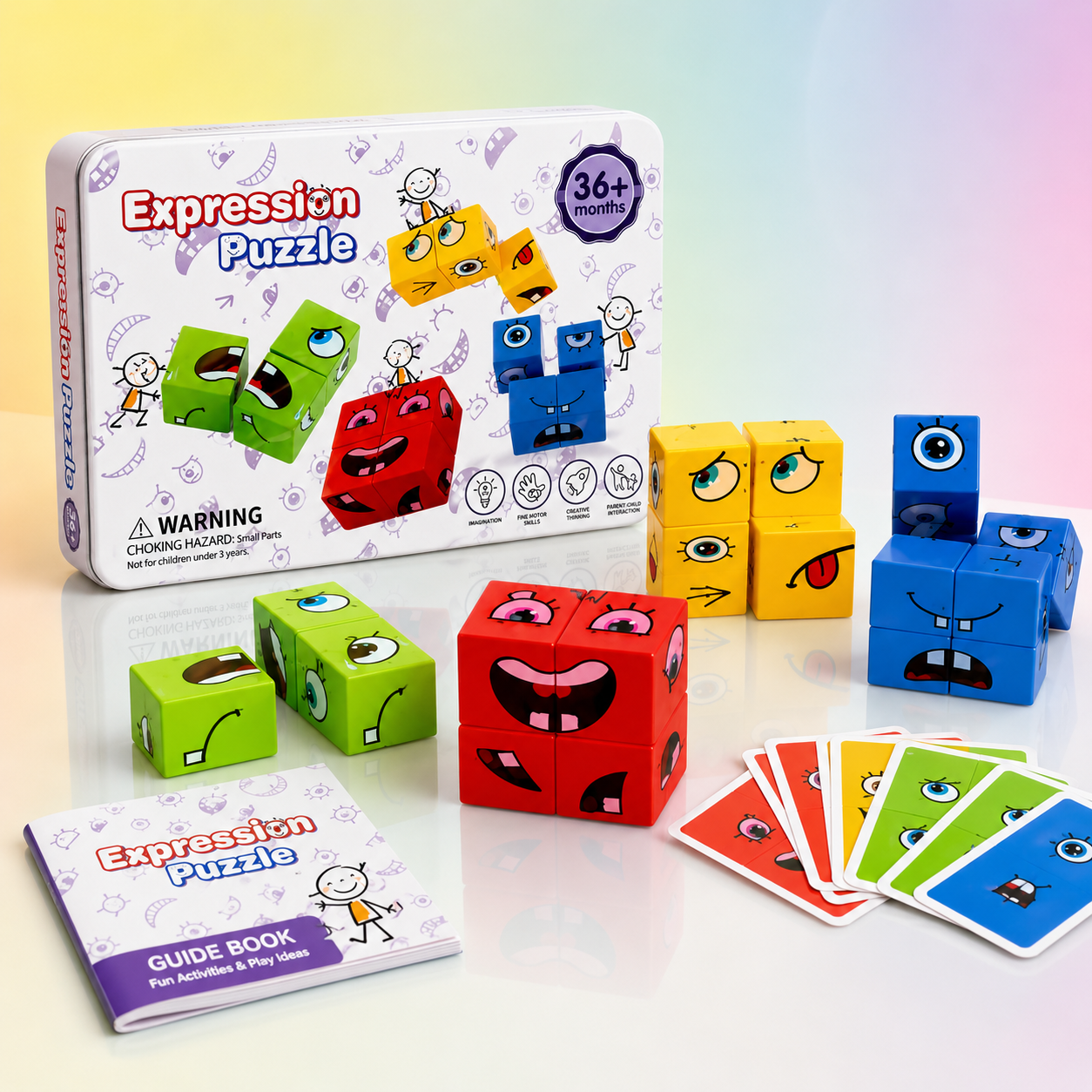
- Chunky puzzles – encourage cognitive skills
- Animal figurines – spark imagination
- Ride-on toys – refine balance & gross motor skills
- Building blocks & magnetic tiles – develop spatial awareness
- Musical instruments – foster rhythm, coordination & sensory development
At age 2, toys also help increase vocabulary, encourage storytelling, and build confidence in independent play.
By Age 3: Creating, Imagining & Problem-Solving
Developmental Milestones
At age 3, children typically:
- Climb, jump, and ride a tricycle
- Speak in full sentences
- Ask LOTS of questions (“Why? What? How?”)
- Solve simple puzzles
- Sort objects by shape, size, or color
- Participate in group play
- Use crayons and paint with better control
- Understand pretend roles and social play
Toys That Help at Age 3
At this age, toys should deepen creativity, support early learning, and encourage fine-motor precision.
Great options include:
- Advanced puzzles (9–20 pieces)
- Arts & craft kits – scissors, crayons, stamps
- Pretend-play sets with roles (farmer set, construction set, dollhouse)
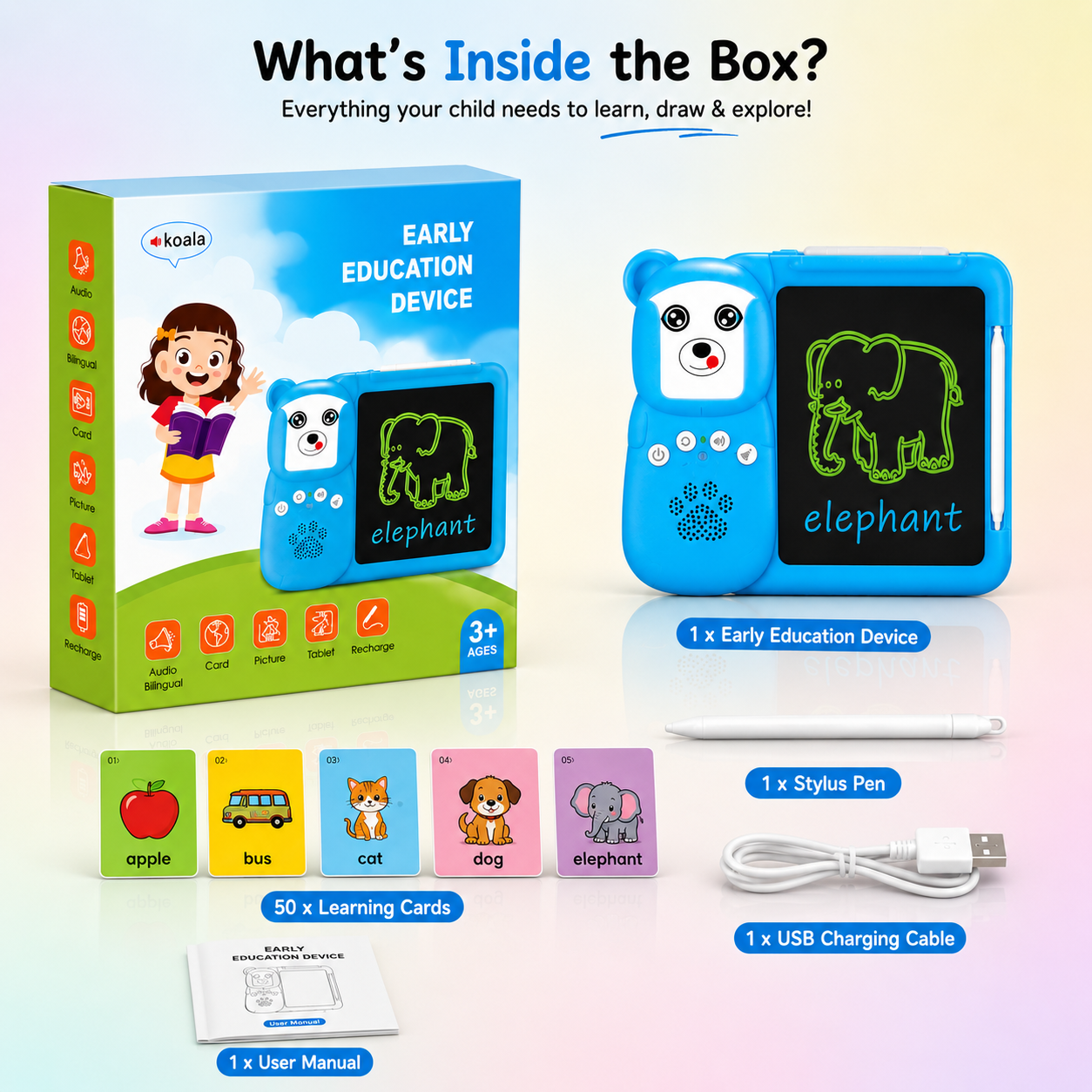
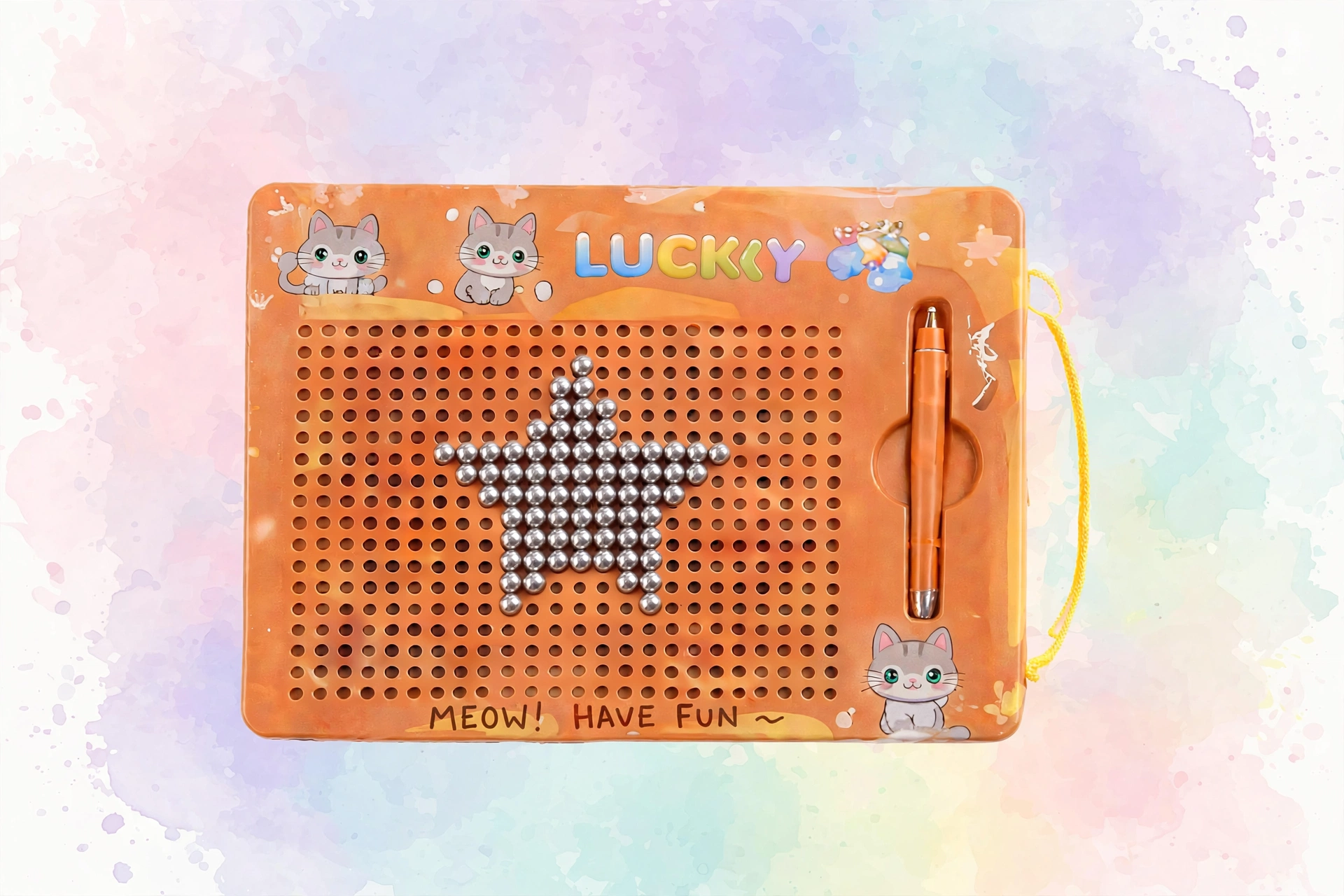
- STEM toys – magnets, gears, simple building sets
- Board games for early learners – turn-taking & patience
- Playdough & sensory kits – fine-motor strengthening
- Sorting & counting toys – early math readiness
These toys prepare children for preschool-level learning by strengthening focus, memory, creativity, and early social skills.
Why Toys Matter So Much in These Early Years
Early childhood is a “golden window” for brain development. During these first three years:
- 1 million neural connections form every second
- Sensory play strengthens brain pathways
- Repetition improves memory and problem-solving
- Open-ended toys build imagination
- Pretend play strengthens language and social skills
Toys aren’t just entertainment—they are tools that help shape how your child thinks, learns, and interacts with the world.
How to Choose the Right Toy for Each Stage
When selecting toys for ages 1–3, keep these principles in mind:
✔ Choose open-ended toys that grow with the child
✔ Look for safe, durable materials (wood, silicone)
✔ Focus on toys that involve hands, mind, & senses
✔ Avoid overstimulation (too many lights & sounds)
✔ Introduce toys slightly above their current skill level to encourage growth
✔ Maintain a balance of independent play and parent-guided play
Final Thoughts
Every child grows at their own pace—but having the right toys can guide them toward key milestones with confidence and joy. Thoughtfully selected toys don’t just occupy your child; they help build the foundation for learning, creativity, and lifelong curiosity.


